' Cultural Heritage Travel'
|
|
From Wiki Travel
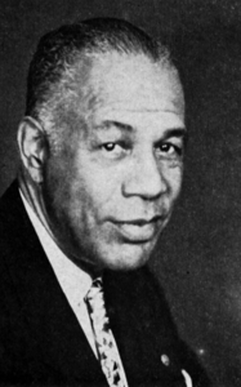
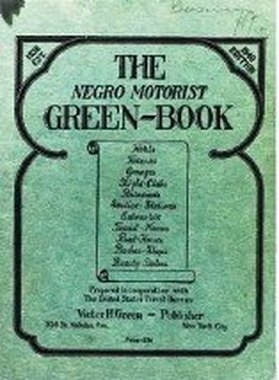
The Negro Motorist Green Book (at times styled The Negro Motorist Green-Book or titled The Negro Travelers' Green Book) was an annual guidebook for African-American roadtrippers, commonly referred to simply as the Green Book. It was originated and published by New York City mailman Victor Hugo Green from 1936 to 1966, during the era of Jim Crow laws, when open and often legally prescribed discrimination against non-whites was widespread. Although pervasive racial discrimination and poverty limited black car ownership, the emerging African-American middle class bought automobiles as soon as they could, but faced a variety of dangers and inconveniences along the road, from refusal of food and lodging to arbitrary arrest. In response, Green wrote his guide to services and places relatively friendly to African-Americans, eventually expanding its coverage from the New York area to much of North America, as well as founding a travel agency.
Many Black Americans took to driving, in part to avoid segregation on public transportation. As the writer George Schuyler put it in 1930, "all Negroes who can do so purchase an automobile as soon as possible in order to be free of discomfort, discrimination, segregation and insult."[1] Black Americans employed as athletes, entertainers, and salesmen also traveled frequently for work purposes.
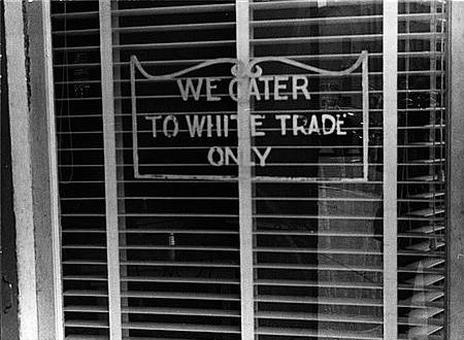
African-American travelers faced hardships such as white-owned businesses refusing to serve them or repair their vehicles, being refused accommodation or food by white-owned hotels, and threats of physical violence and forcible expulsion from whites-only "sundown towns". Green founded and published the Green Book to avoid such problems, compiling resources "to give the Negro traveler information that will keep him from running into difficulties, embarrassments and to make his trip more enjoyable."[2]
From a New York-focused first edition published in 1936, Green expanded the work to cover much of North America, including most of the United States and parts of Canada, Mexico, the Caribbean, and Bermuda. The Green Book became "the bible of black travel during Jim Crow",[3] enabling black travelers to find lodgings, businesses, and gas stations that would serve them along the road. It was little known outside the African-American community. Shortly after passage of the Civil Rights Act of 1964, which outlawed the types of racial discrimination that had made the Green Book necessary, publication ceased and it fell into obscurity. There has been a revived interest in it in the early 21st century in connection with studies of black travel during the Jim Crow era.
Four issues (1940, 1947, 1954, and 1963) have been republished in facsimile (as of December 2017), and have sold well.[4]
The Negro Motorist Green Book (at times styled The Negro Motorist Green-Book or titled The Negro Travelers' Green Book) was an annual guidebook for African-American roadtrippers, commonly referred to simply as the Green Book. It was originated and published by New York City mailman Victor Hugo Green from 1936 to 1966, during the era of Jim Crow laws, when open and often legally prescribed discrimination against non-whites was widespread. Although pervasive racial discrimination and poverty limited black car ownership, the emerging African-American middle class bought automobiles as soon as they could, but faced a variety of dangers and inconveniences along the road, from refusal of food and lodging to arbitrary arrest. In response, Green wrote his guide to services and places relatively friendly to African-Americans, eventually expanding its coverage from the New York area to much of North America, as well as founding a travel agency.
Many Black Americans took to driving, in part to avoid segregation on public transportation. As the writer George Schuyler put it in 1930, "all Negroes who can do so purchase an automobile as soon as possible in order to be free of discomfort, discrimination, segregation and insult."[1] Black Americans employed as athletes, entertainers, and salesmen also traveled frequently for work purposes.
African-American travelers faced hardships such as white-owned businesses refusing to serve them or repair their vehicles, being refused accommodation or food by white-owned hotels, and threats of physical violence and forcible expulsion from whites-only "sundown towns". Green founded and published the Green Book to avoid such problems, compiling resources "to give the Negro traveler information that will keep him from running into difficulties, embarrassments and to make his trip more enjoyable."[2]
From a New York-focused first edition published in 1936, Green expanded the work to cover much of North America, including most of the United States and parts of Canada, Mexico, the Caribbean, and Bermuda. The Green Book became "the bible of black travel during Jim Crow",[3] enabling black travelers to find lodgings, businesses, and gas stations that would serve them along the road. It was little known outside the African-American community. Shortly after passage of the Civil Rights Act of 1964, which outlawed the types of racial discrimination that had made the Green Book necessary, publication ceased and it fell into obscurity. There has been a revived interest in it in the early 21st century in connection with studies of black travel during the Jim Crow era.
Four issues (1940, 1947, 1954, and 1963) have been republished in facsimile (as of December 2017), and have sold well.[4]
Read full story here
https://en.wikipedia.org/wiki/The_Negro_Motorist_Green_Book
https://en.wikipedia.org/wiki/The_Negro_Motorist_Green_Book
Recommended Travel Sites:

Sites & Legacy Tours
SoulOfAmerica pioneered black travel information on the web. Our team draws inspiration from the many brave and creative African-Americans who invented or played a huge role developing Gospel, Blues, Jazz, Soul Music, Reggae, Zydeco, Soul Food, Creole Food, Barbecue, works of art, places of worship, historic sites, cultural sites, colleges and many other treasures that make our world richer.
About SoulOfAmerica
When we started as an online hobby in 1997, general travel media only listed a handful of black heritage sites in New York City, Washington and Atlanta. Inspired by our lead, general travel media now include African-American sites in every hamlet, but not as well as us.
Though African-American travelers are our primary market, SoulOfAmerica attracts visitors of all stripes who broaden their travel perspectives by exploring editorial, listings, photos, video and shared stories on cultural treasures with all the appreciation and in some cases, reverence they deserve. In that sense, visiting SoulOfAmerica to virtually sample African-American culture is similar to visiting Chinatown to sample Chinese-American culture.
We have upgraded our international content, social media and mobile guides to ensure that we appeal to a broader range of demographics. Whether a quick visit or hour long dive into SoulOfAmerica, we promise that there are many insights and pleasant surprises to make your next trip more engaging.
|
U.S. City Black Travel Guides
|

Group Trips Start Here
TRIPmedia Group, Inc. began with the launch of TRIP in the Spring of 1993. The quarterly periodical served as a Travel Reference Information Planner for travel professionals booking volume to the South, destination for 52% of USA travel. It reached 60% of all domestic travel pros. The publication evolved into TRIPinfo.com's Resource Atlas & Handbook - now TRIPinfo Quarterly Digital Magazine.
In 1996 TRIPinfo.com launched as the 1st B2B Travel Reference Information Portal...referenced by the travel professional users of the print guide. Today, travel professionals spend more time on TRIPinfo.com than any travel site...highest minutes per user per day by ~30,000 travel pros per month...1/4 of all group, tour, agent, small meeting, event, religious, reunion, sport, student, wedding & International planners booking groups in the USA!
By 2000 the company began its email newsletter, Internet Travel Monitor, delivered to 15,000 travel professionals each week.
Today the central brand of TRIPmedia Group is the international TRIPinfo.com Online + TRIPinfo Weekly Newsletter (Internet Travel Monitor) + TRIPinfo Quarterly Digital Magazine.
OUR MISSION STATEMENT
To research and present quality USA travel information - to travel professionals booking volume - via our website, maps, email newsletters, magazine and emerging tools.
Nearly 100 years of digital travel marketing experience here to serve you! 770-825-0220
TRIPmedia Group, Inc. began with the launch of TRIP in the Spring of 1993. The quarterly periodical served as a Travel Reference Information Planner for travel professionals booking volume to the South, destination for 52% of USA travel. It reached 60% of all domestic travel pros. The publication evolved into TRIPinfo.com's Resource Atlas & Handbook - now TRIPinfo Quarterly Digital Magazine.
In 1996 TRIPinfo.com launched as the 1st B2B Travel Reference Information Portal...referenced by the travel professional users of the print guide. Today, travel professionals spend more time on TRIPinfo.com than any travel site...highest minutes per user per day by ~30,000 travel pros per month...1/4 of all group, tour, agent, small meeting, event, religious, reunion, sport, student, wedding & International planners booking groups in the USA!
By 2000 the company began its email newsletter, Internet Travel Monitor, delivered to 15,000 travel professionals each week.
Today the central brand of TRIPmedia Group is the international TRIPinfo.com Online + TRIPinfo Weekly Newsletter (Internet Travel Monitor) + TRIPinfo Quarterly Digital Magazine.
OUR MISSION STATEMENT
To research and present quality USA travel information - to travel professionals booking volume - via our website, maps, email newsletters, magazine and emerging tools.
Nearly 100 years of digital travel marketing experience here to serve you! 770-825-0220
|
|
Hotel Theresa
|
Black Owned Hotels
click link below
http://www.nabhood.net/home/index.php/hotels/hoteldirectory?sid=1
click link below
http://www.nabhood.net/home/index.php/hotels/hoteldirectory?sid=1
The History of Black Owned Hotels
The history of the industry that provides sleeping quarters is not totally devoid of Black Hotel Owners. Black-owned and operated hotels have existed since pre-turn of the century.
“It was only in the 20th century that American hospitality became truly democratic. Beginning in 1908, E.M. Statler challenged the hotel industry’s attention to the wealthy by declaring that he would offer hospitality “at a price ordinary people can afford.” Statler’s slogan, “A bed and a bath for a dollar and a half,” launched his hotel empire and made him, as a 1950 trade journal put it, “The Hotel Man of the Half Century.” A decade later, the civil rights movement launched a wave of demonstrations against discrimination in travel facilities. Martin Luther King’s 1963 “I Have a Dream” speech—which evoked the plight of black wayfarers with the reminder that “our bodies, heavy with the fatigue of travel, cannot gain lodging in the motels of the highways and the hotels of the cities”—helped persuade Congress to pass the Civil Rights Act of 1964, which outlawed discrimination in public accommodations.”
James Wormley (1819-1884), born free in Washington, is best known as the owner and operator of the Wormley Hotel, which opened in 1871. Wormley was one of a number of entrepreneurs in the hotel and other service trades with downtown businesses. The hotel catered primarily to wealthy and politically powerful white males in the city.
The five-story Wormley Hotel contained a bar, a barbershop, and an acclaimed dining room where Wormley served European-style dishes using fresh ingredients he grew on his nearby farm. Wormley, who had spent time in Europe honing his culinary skills, was a consummate entrepreneur, attending to minute details to ensure the pleasure of his guests.
The hotel is also famous as the site of the Wormley Conference of 1877, when representatives of Republican Rutherford B. Hayes and Democrat Samuel J. Tilden brokered a deal over the contested presidential election of 1876. The eventual result was the Compromise of 1877, which led to the removal of troops from the South and the end of Federal Reconstruction.
Wormley's parents were Lynch and Mary Wormley, both also free born. After Wormley's death in 1884, his eldest son, James T. Wormley, managed the hotel into the 1890s. It was taken over by new owners and renamed the Colonial in 1897. The hotel was later razed, and the Union Trust Company building was constructed on the site in 1906.
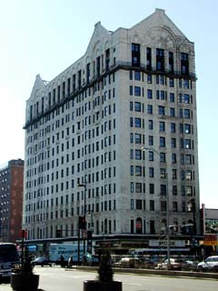
Hotel Theresa The renowned Hotel Theresa in Harlem was a vibrant center of black life in Harlem, New York City, in the mid-20th century. The hotel sits at the intersection of Adam Clayton Powell Jr. Boulevard and Martin Luther King, Jr. Boulevard (better known as 7th Avenue and 125th Street). It opened in 1913 and was from then, until the construction of the Adam Clayton Powell Jr. State Office Building across the street in 1973, the tallest building in Harlem. It has a striking white brick facade and was known as the "Waldorf Astoria of Harlem." From the time it opened until 1940, the hotel accepted only white guests plus a few black celebrities. This changed when the hotel passed to new management.
Louis Armstrong, Sugar Ray Robinson, Lena Horne, Josephine Baker, Dorothy Dandridge, Duke Ellington, Muhammad Ali, Dinah Washington, Ray Charles, Little Richard, and Jimi Hendrix all stayed in the Hotel or lived there for a time, as did Fidel Castro, while in New York for the 1960 opening session of the United Nations, after storming out of the Hotel Shelburne because of that hotel manager's "unacceptable cash" demands.[1] Castro's entourage rented 80 rooms at the Thersa for $800 per day.[2]
The hotel profited from the refusal of prestigious hotels elsewhere in the city to accept black guests. As a result, black businessmen, performers, and athletes were thrown under the same roof.
After leaving the Nation of Islam, Malcolm X maintained his competing Organization of Afro-American Unity at the hotel and hosted meetings there. He met Cassius Clay in the hotel on various occasions.
Bill Clinton's commerce secretary, Ron Brown, grew up in the hotel, where his father worked as manager. U.S. Congressman Charles Rangel (D-Harlem) once worked there as a desk clerk. The hotel may have enjoyed its greatest prominence in 1960. Nikita Khruschev visited New York in that year, during the week when Castro was staying in Harlem, and came to meet him in the hotel. Also, in October of 1960, John F. Kennedy campaigned for the presidency at the hotel, along with Eleanor Roosevelt and other powerful figures in the Democratic Party.
The hotel suffered from the continued deterioration of Harlem through the 1950s and 1960s, and, ironically, from the end of segregation elsewhere in the city. As black people of means had alternatives, they stopped coming to Harlem. The hotel closed in 1967.
After remaining vacant for four years, the building was converted to office space in 1971, and now goes by the name "Theresa Towers," though a sign with the old name is still painted on the side of the building, and the old name is still commonly used. It now serves as an auxiliary campus for Teachers College, Columbia University. The building was declared a landmark by the City of New York in 1993.
The Henry's Hotel South Division Street and Baltimore Avenue, Ocean City. Formerly known as "Henry's Colored Hotel," this building is a prominent historic site in Ocean City. Reportedly erected during the last decade of the 19th century, the three-story wood-shingled structure is one of the oldest hotels in the city and the last hotel that served black visitors to the ocean resort during the early to mid-20th century. Reserved periods, known as "Colored Excursion Days," were limited to days after the main summer season. Charles T. and Louis Henry bought the hotel in December 1926. After Charles T. died in 1942 the hotel was held by his wife and then his son, Charles Wesley Henry. Duke Ellington, Cab Calloway, Count Basie and Louis Armstrong were guests of Henry's Hotel in the days when black entertainers could perform in major hotel ballrooms, yet not sleep in the hotels.
In the early seventies, eighties and nineties there were only three hotels in the United States that were franchised and part of a major hotel chain. The first was a Holiday Inn in Tuskegee, AL that opened in the early seventies and later became the Tuskegee Inn before going out of business. The second was opened by Mabra Holeyfield and Frank Banks as the Benchmark Hotel in 1983 and became the Days Inn in 1988. That hotel was sold in 2008 to NABHOOD’s Chairman, Mike Roberts and will be converted to a Clarion Collection. The third was the 105 room Travelodge Hotel when an investment group led by the city’s first African American mayor and businessman Harvey Gantt, purchased a bankrupt hotel and cafeteria in the heart of Charlotte’s African American community. After a two million dollar renovation, the hotel opened in July 1998. There were a few flagstones with small hotels like the first Black owned hotel in the nation’s capital, Howard Inn, that opened as the Humbree House in the early eighties.
The Eureka Hotel The Eureka Hotel, the two-story, red-brick Victorian built in 1885 became an upscale hotel in the early 1930s, making it the city's oldest African American hotel. Now its owners are willing to donate it to anyone who wants to restore the building allegedly housed guests such as Duke Ellington, but no one knew about the house's history until construction signs went up in early January, prompting residents to find a way to save the historic structure.
Located two blocks away from the National Civil Rights Museum, the hotel operated until the 1980s, when Irvin Landsky bought it and turned it into a rental property. When he died in 2001, his daughter, Cheri Rudner, and her husband, Henry, inherited the Eureka Hotel and decided to demolish the house.
“It was only in the 20th century that American hospitality became truly democratic. Beginning in 1908, E.M. Statler challenged the hotel industry’s attention to the wealthy by declaring that he would offer hospitality “at a price ordinary people can afford.” Statler’s slogan, “A bed and a bath for a dollar and a half,” launched his hotel empire and made him, as a 1950 trade journal put it, “The Hotel Man of the Half Century.” A decade later, the civil rights movement launched a wave of demonstrations against discrimination in travel facilities. Martin Luther King’s 1963 “I Have a Dream” speech—which evoked the plight of black wayfarers with the reminder that “our bodies, heavy with the fatigue of travel, cannot gain lodging in the motels of the highways and the hotels of the cities”—helped persuade Congress to pass the Civil Rights Act of 1964, which outlawed discrimination in public accommodations.”
James Wormley (1819-1884), born free in Washington, is best known as the owner and operator of the Wormley Hotel, which opened in 1871. Wormley was one of a number of entrepreneurs in the hotel and other service trades with downtown businesses. The hotel catered primarily to wealthy and politically powerful white males in the city.
The five-story Wormley Hotel contained a bar, a barbershop, and an acclaimed dining room where Wormley served European-style dishes using fresh ingredients he grew on his nearby farm. Wormley, who had spent time in Europe honing his culinary skills, was a consummate entrepreneur, attending to minute details to ensure the pleasure of his guests.
The hotel is also famous as the site of the Wormley Conference of 1877, when representatives of Republican Rutherford B. Hayes and Democrat Samuel J. Tilden brokered a deal over the contested presidential election of 1876. The eventual result was the Compromise of 1877, which led to the removal of troops from the South and the end of Federal Reconstruction.
Wormley's parents were Lynch and Mary Wormley, both also free born. After Wormley's death in 1884, his eldest son, James T. Wormley, managed the hotel into the 1890s. It was taken over by new owners and renamed the Colonial in 1897. The hotel was later razed, and the Union Trust Company building was constructed on the site in 1906.
Hotel Theresa The renowned Hotel Theresa in Harlem was a vibrant center of black life in Harlem, New York City, in the mid-20th century. The hotel sits at the intersection of Adam Clayton Powell Jr. Boulevard and Martin Luther King, Jr. Boulevard (better known as 7th Avenue and 125th Street). It opened in 1913 and was from then, until the construction of the Adam Clayton Powell Jr. State Office Building across the street in 1973, the tallest building in Harlem. It has a striking white brick facade and was known as the "Waldorf Astoria of Harlem." From the time it opened until 1940, the hotel accepted only white guests plus a few black celebrities. This changed when the hotel passed to new management.
Louis Armstrong, Sugar Ray Robinson, Lena Horne, Josephine Baker, Dorothy Dandridge, Duke Ellington, Muhammad Ali, Dinah Washington, Ray Charles, Little Richard, and Jimi Hendrix all stayed in the Hotel or lived there for a time, as did Fidel Castro, while in New York for the 1960 opening session of the United Nations, after storming out of the Hotel Shelburne because of that hotel manager's "unacceptable cash" demands.[1] Castro's entourage rented 80 rooms at the Thersa for $800 per day.[2]
The hotel profited from the refusal of prestigious hotels elsewhere in the city to accept black guests. As a result, black businessmen, performers, and athletes were thrown under the same roof.
After leaving the Nation of Islam, Malcolm X maintained his competing Organization of Afro-American Unity at the hotel and hosted meetings there. He met Cassius Clay in the hotel on various occasions.
Bill Clinton's commerce secretary, Ron Brown, grew up in the hotel, where his father worked as manager. U.S. Congressman Charles Rangel (D-Harlem) once worked there as a desk clerk. The hotel may have enjoyed its greatest prominence in 1960. Nikita Khruschev visited New York in that year, during the week when Castro was staying in Harlem, and came to meet him in the hotel. Also, in October of 1960, John F. Kennedy campaigned for the presidency at the hotel, along with Eleanor Roosevelt and other powerful figures in the Democratic Party.
The hotel suffered from the continued deterioration of Harlem through the 1950s and 1960s, and, ironically, from the end of segregation elsewhere in the city. As black people of means had alternatives, they stopped coming to Harlem. The hotel closed in 1967.
After remaining vacant for four years, the building was converted to office space in 1971, and now goes by the name "Theresa Towers," though a sign with the old name is still painted on the side of the building, and the old name is still commonly used. It now serves as an auxiliary campus for Teachers College, Columbia University. The building was declared a landmark by the City of New York in 1993.
The Henry's Hotel South Division Street and Baltimore Avenue, Ocean City. Formerly known as "Henry's Colored Hotel," this building is a prominent historic site in Ocean City. Reportedly erected during the last decade of the 19th century, the three-story wood-shingled structure is one of the oldest hotels in the city and the last hotel that served black visitors to the ocean resort during the early to mid-20th century. Reserved periods, known as "Colored Excursion Days," were limited to days after the main summer season. Charles T. and Louis Henry bought the hotel in December 1926. After Charles T. died in 1942 the hotel was held by his wife and then his son, Charles Wesley Henry. Duke Ellington, Cab Calloway, Count Basie and Louis Armstrong were guests of Henry's Hotel in the days when black entertainers could perform in major hotel ballrooms, yet not sleep in the hotels.
In the early seventies, eighties and nineties there were only three hotels in the United States that were franchised and part of a major hotel chain. The first was a Holiday Inn in Tuskegee, AL that opened in the early seventies and later became the Tuskegee Inn before going out of business. The second was opened by Mabra Holeyfield and Frank Banks as the Benchmark Hotel in 1983 and became the Days Inn in 1988. That hotel was sold in 2008 to NABHOOD’s Chairman, Mike Roberts and will be converted to a Clarion Collection. The third was the 105 room Travelodge Hotel when an investment group led by the city’s first African American mayor and businessman Harvey Gantt, purchased a bankrupt hotel and cafeteria in the heart of Charlotte’s African American community. After a two million dollar renovation, the hotel opened in July 1998. There were a few flagstones with small hotels like the first Black owned hotel in the nation’s capital, Howard Inn, that opened as the Humbree House in the early eighties.
The Eureka Hotel The Eureka Hotel, the two-story, red-brick Victorian built in 1885 became an upscale hotel in the early 1930s, making it the city's oldest African American hotel. Now its owners are willing to donate it to anyone who wants to restore the building allegedly housed guests such as Duke Ellington, but no one knew about the house's history until construction signs went up in early January, prompting residents to find a way to save the historic structure.
Located two blocks away from the National Civil Rights Museum, the hotel operated until the 1980s, when Irvin Landsky bought it and turned it into a rental property. When he died in 2001, his daughter, Cheri Rudner, and her husband, Henry, inherited the Eureka Hotel and decided to demolish the house.
Cultural Heritage Museums
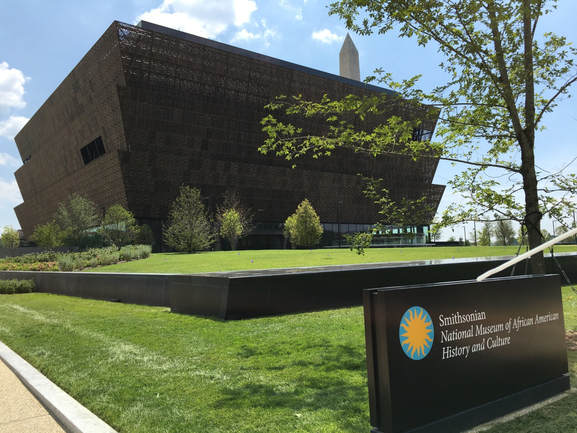
“The African American experience is the lens through which we understand what it is to be an American.”
Lonnie G. Bunch III, Founding Director, NMAAHC
Click to Visit Website: https://nmaahc.si.edu/
Lonnie G. Bunch III, Founding Director, NMAAHC
Click to Visit Website: https://nmaahc.si.edu/
National Parks
African American Landmarks
Gulf Islands National Seashore
Annual Rosamond Johnson Memorial Celebration |

|
Speech by Dan Brown, Park Superintendent
(GUIS) Gulf Islands National Seashore Florida and Mississippi
Rosamond Johnson Memorial Celebration - May 3, 2014
(GUIS) Gulf Islands National Seashore Florida and Mississippi
Rosamond Johnson Memorial Celebration - May 3, 2014
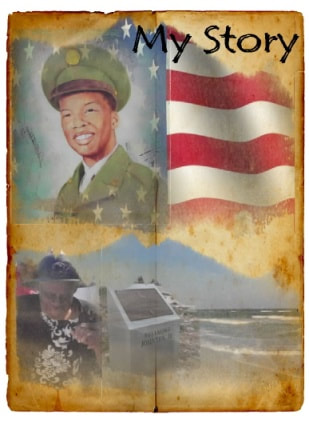
The story of Rosamond Johnson is compelling: getting permission from his parents at age 15 so he could serve his country in the military; his heroic acts during the Korean War to save his fellow soldiers while under fire, and his ultimate sacrifice, giving his life for his country. This is even more notable when you realize that this beach that is named after him was one of the few beaches at that time where he and his family and other African Americans could go. Rosamond actually comes from a long line of African Americans who served their country in time of war, not necessarily for the freedoms they were afforded back home, but for the promise of that freedom and those rights that our nation aspires to fulfill. Many are not aware that African Americans have participated in every single war fought by or within the United States. ·
- When the Minutemen gathered at Lexington and Concord in April 1775 for that “shot heard round the world,” African Americans were fighting along-side other Patriots. At least 5,000 African Americans fought for our new nation during the Revolutionary War, and when the British finally surrendered to George Washington at Yorktown in 1781, about ¼ of the American Army was black. The sites at Lexington, Concord, and Yorktown are now part of our National Park system.
- The War of 1812 with the British brought the fight nearby at the Battle of New Orleans. Andrew Jackson incorporated two battalions of Free Men of Color into the fray, and the overwhelming American victory began when the British Commanding General was shot – by one of these free black troops. The site known as Chalmette Battlefield is now part of our National Park system.·
- Many are familiar with the 54th Massachusetts regiment during the Civil War, made famous by the movie “Glory” with Morgan Freeman and Denzel Washington. But before the 54th Massachusetts, the very first black Union troops – known as Louisiana Native Guard - were raised after New Orleans fell to the Union in 1862. The 2nd Regiment of the Louisiana Native Guard was stationed at Fort Massachusetts on Ship Island (now part of Gulf Islands National Seashore) and they launched the first engagement by Black U.S. Army regulars during the Civil War against Confederate troops at Pascagoula.
- Following the Civil War, Congress created six black regiments that became known as “Buffalo Soldiers,” a nickname given them by the Plains Indians. When the first national parks were created in the west, there was no agency, no National Park Service, to protect and manage them. Approximately 500 Buffalo Soldiers from the 9th Cavalry Regiment were assigned to Yosemite National Park and Sequoia National Park – basically serving as the first park rangers, fighting forest fires, evicting poachers and timber thieves, and building the first roads and trails. Charles Young, the third African American to graduate from West Point, served as the acting military superintendent of Sequoia National Park – and is considered by many to be the first African American superintendent of a national park. Just last year his home in Ohio was designated as one of our newest National Park Areas – the Charles Young Buffalo Soldiers National Monument.·
- The famed Tuskegee Airmen were the first African American military aviators in the U.S. armed forces. Following WWI, it took over 20 years of advocacy by African Americans who wanted to enlist and train as military aviators. When they were finally allowed to train and get their wings during WWII, the Tuskegee Airmen served with distinction, setting a record for destroying five enemy aircraft in under four minutes, and shooting down three German jets in a single day. Today the Tuskegee Airmen training site is also part of our National Park System.
I’ve shared all of this with you today to say this - we are proud; I personally am proud, to have this beach – part of Gulf Islands National Seashore - named after our own hero, Rosamond Johnson. We will continue to tell the story of his service to his country, and his sacrifice, and of the history of this beach. It is a story that belongs to all of us.
Thank you.
Geography
Perdido Bay is said to have once had an estimated 300 natural springs bubbling up from the sandy bottom. There were so many around the site of the Lillian bridge that when construction began, bridge engineers were appalled to see pilings sinking down below the surface, following the soft course of a natural spring. They had to devise a solution, which was building cofferdams to shore up the pilings to prevent them from sinking.
Circa 1933 Perdido Key became an island. Before then, the area was a small peninsula just to the west of Pensacola. It was crossed by a large ditch that was narrow enough to jump across, and sometimes filled with alligators. This ditch was improved and widened to become part of the Intracoastal Waterway in 1933.
The Intracoastal Waterway (ICW) connecting Pensacola to Mobile Bay, the Gulf Intracoastal Waterway, was started during 1931 during the Great Depression. The digging that would connect Pensacola, Big Lagoon (also known as Grande Lagoon), Perdido Bay, and Mobile Bay was completed in 1933. Perdido Key Island is now about 16 miles (26 km) long with almost 60% of it (9.5 miles) protected in federal or state parks.
In 1978 the National Park Service completed purchase of over 1,000 acres (4.0 km2) of land on Perdido Key from Johnson Beach to Pensacola Pass for about $8 million. For years this area was called Gulf Beach, and it evolved into being called Perdido Key. Many "old timers" still slip and call the area Gulf Beach.
From BlackPast.org
National African American Historic Landmarks by State
http://www.blackpast.org/national-african-american-historic-landmarks-state
National African American Historic Landmarks by State
http://www.blackpast.org/national-african-american-historic-landmarks-state
National African American Historic Landmarks by State
Since the beginning of the 20th Century, the U.S. Government and most states have identified landmarks associated with African American history. Listed below are the African American National Historic Landmarks by state, as certified by the National Park Service’s National Register of Historic Places, as well as some state landmarks. If there are official landmarks that are missing, please email blackpast@blackpast.org so that they can be added to the list.
Since the beginning of the 20th Century, the U.S. Government and most states have identified landmarks associated with African American history. Listed below are the African American National Historic Landmarks by state, as certified by the National Park Service’s National Register of Historic Places, as well as some state landmarks. If there are official landmarks that are missing, please email blackpast@blackpast.org so that they can be added to the list.
Wiki Travel
Wikitravel (http://wikitravel.org) is a project to create a free, complete, up-to-date and reliable world-wide travel guide. It is built in collaboration by Wikitravellers from around the globe.
Wikitravel is built with the spirit of sharing knowledge that makes travel so enjoyable. Whenever travellers meet each other on the road, they swap info about the places they came from and ask questions about places they're going. We want to make it easy to share that knowledge and let others share it; our copyleftlicense means that the facts you know can spread far and wide.
The project was begun in July 2003 by the two founders, Evan and Maj and inspired by Wikipedia, the free encyclopedia, and by the needs of travellers for timely information that long book-publishing cycles can't seem to meet. In April 2006, Wikitravel was acquired by Internet Brands, Inc., an operator of consumer information Websites.
To create Wikitravel we use a tool called MediaWiki to run a Wiki process which lets any Internet reader create, update, edit, and illustrate any article on the Web site. We all share our pieces of knowledge, edit them, distill them, and assemble them into a pleasing and cohesive whole. The more people that use the Edit link, the better Wikitravel becomes.
We've achieved some milestones, but we still have a long way to go. If you're new to Wikitravel, feel free to plunge forward and help us!
The Wikitravel universe also includes Wikitravel Shared — Wikitravel's image repository and cross-language coordination site (bugs, feature requests, language versions, etc).
ALABAMA http://wikitravel.org/en/Alabama
ARKANSAS http://wikitravel.org/en/Arkansas
CALIFORNIA http://wikitravel.org/en/California
DISTRICT OF COLUMBIA http://wikitravel.org/en/Washington,_D.C.
FLORIDA http://wikitravel.org/en/Florida
GEORGIA http://wikitravel.org/en/Georgia_(state)
INDIANA http://wikitravel.org/en/Indiana
ILLINOIS http://wikitravel.org/en/Illinois
KANSAS http://wikitravel.org/en/Kansas
KENTUCKY http://wikitravel.org/en/Kentucky
LOUISIANA http://wikitravel.org/en/Louisiana
MARYLAND http://wikitravel.org/en/Maryland
MASSACHUSETTS http://wikitravel.org/en/Massachusetts
MICHIGAN http://wikitravel.org/en/Michigan
MINNESOTA http://wikitravel.org/en/Minnesota
MISSISSIPPI http://wikitravel.org/en/Mississippi
MISSOURI http://wikitravel.org/en/Missouri
NEBRASKA http://wikitravel.org/en/Nebraska
NEW JERSEY http://wikitravel.org/en/New_Jersey
NEW YORK http://wikitravel.org/en/New_York_(state)
NORTH CAROLINA http://wikitravel.org/en/North_Carolina
OHIO http://wikitravel.org/en/Ohio
OKLAHOMA http://wikitravel.org/en/Oklahoma
PENNSYLVANIA http://wikitravel.org/en/Pennsylvania
SOUTH CAROLINA http://wikitravel.org/en/South_Carolina
TENNESSEE http://wikitravel.org/en/Tennessee
TEXAS http://wikitravel.org/en/Texas
VIRGINIA http://wikitravel.org/en/Virginia
WISCONSIN http://wikitravel.org/en/Wisconsin
PUERTO RICO http://wikitravel.org/en/Puerto_Rico
VIRGIN ISLANDS http://wikitravel.org/en/U.S._Virgin_Islands
AFRICA http://wikitravel.org/en/Africa
BAHAMAS http://wikitravel.org/en/Bahamas
BELIZE http://wikitravel.org/en/Belize
CANADA http://wikitravel.org/en/Canada
CARIBBEAN http://wikitravel.org/en/Caribbean
CUBA http://wikitravel.org/en/Cuba
EUROPE http://wikitravel.org/en/Europe
FRANCE http://wikitravel.org/en/France
HAITI http://wikitravel.org/en/Haiti
JAMAICA http://wikitravel.org/en/Jamaica
KINGDOM OF SPAIN http://wikitravel.org/en/Spain
SAINT LUCIA http://wikitravel.org/en/Saint_Lucia
UNITED KINGDOM http://wikitravel.org/en/United_Kingdom
SOUTH AMERICA http://wikitravel.org/en/South_America
CENTRAL AMERICA http://wikitravel.org/en/Central_America ALABAMA http://wikitravel.org/en/Alabama
ARKANSAS http://wikitravel.org/en/Arkansas
CALIFORNIA http://wikitravel.org/en/California
DISTRICT OF COLUMBIA http://wikitravel.org/en/Washington,_D.C.
FLORIDA http://wikitravel.org/en/Florida
GEORGIA http://wikitravel.org/en/Georgia_(state)
INDIANA http://wikitravel.org/en/Indiana
ILLINOIS http://wikitravel.org/en/Illinois
KANSAS http://wikitravel.org/en/Kansas
KENTUCKY http://wikitravel.org/en/Kentucky
LOUISIANA http://wikitravel.org/en/Louisiana
MARYLAND http://wikitravel.org/en/Maryland
MASSACHUSETTS http://wikitravel.org/en/Massachusetts
MICHIGAN http://wikitravel.org/en/Michigan
MINNESOTA http://wikitravel.org/en/Minnesota
MISSISSIPPI http://wikitravel.org/en/Mississippi
MISSOURI http://wikitravel.org/en/Missouri
NEBRASKA http://wikitravel.org/en/Nebraska
NEW JERSEY http://wikitravel.org/en/New_Jersey
NEW YORK http://wikitravel.org/en/New_York_(state)
NORTH CAROLINA http://wikitravel.org/en/North_Carolina
OHIO http://wikitravel.org/en/Ohio
OKLAHOMA http://wikitravel.org/en/Oklahoma
PENNSYLVANIA http://wikitravel.org/en/Pennsylvania
SOUTH CAROLINA http://wikitravel.org/en/South_Carolina
TENNESSEE http://wikitravel.org/en/Tennessee
TEXAS http://wikitravel.org/en/Texas
VIRGINIA http://wikitravel.org/en/Virginia
WISCONSIN http://wikitravel.org/en/Wisconsin
PUERTO RICO http://wikitravel.org/en/Puerto_Rico
VIRGIN ISLANDS http://wikitravel.org/en/U.S._Virgin_Islands
AFRICA http://wikitravel.org/en/Africa
BAHAMAS http://wikitravel.org/en/Bahamas
BELIZE http://wikitravel.org/en/Belize
CANADA http://wikitravel.org/en/Canada
CARIBBEAN http://wikitravel.org/en/Caribbean
CUBA http://wikitravel.org/en/Cuba
EUROPE http://wikitravel.org/en/Europe
FRANCE http://wikitravel.org/en/France
HAITI http://wikitravel.org/en/Haiti
JAMAICA http://wikitravel.org/en/Jamaica
KINGDOM OF SPAIN http://wikitravel.org/en/Spain
SAINT LUCIA http://wikitravel.org/en/Saint_Lucia
UNITED KINGDOM http://wikitravel.org/en/United_Kingdom
SOUTH AMERICA http://wikitravel.org/en/South_America
CENTRAL AMERICA http://wikitravel.org/en/Central_America
ARKANSAS http://wikitravel.org/en/Arkansas
CALIFORNIA http://wikitravel.org/en/California
DISTRICT OF COLUMBIA http://wikitravel.org/en/Washington,_D.C.
FLORIDA http://wikitravel.org/en/Florida
GEORGIA http://wikitravel.org/en/Georgia_(state)
INDIANA http://wikitravel.org/en/Indiana
ILLINOIS http://wikitravel.org/en/Illinois
KANSAS http://wikitravel.org/en/Kansas
KENTUCKY http://wikitravel.org/en/Kentucky
LOUISIANA http://wikitravel.org/en/Louisiana
MARYLAND http://wikitravel.org/en/Maryland
MASSACHUSETTS http://wikitravel.org/en/Massachusetts
MICHIGAN http://wikitravel.org/en/Michigan
MINNESOTA http://wikitravel.org/en/Minnesota
MISSISSIPPI http://wikitravel.org/en/Mississippi
MISSOURI http://wikitravel.org/en/Missouri
NEBRASKA http://wikitravel.org/en/Nebraska
NEW JERSEY http://wikitravel.org/en/New_Jersey
NEW YORK http://wikitravel.org/en/New_York_(state)
NORTH CAROLINA http://wikitravel.org/en/North_Carolina
OHIO http://wikitravel.org/en/Ohio
OKLAHOMA http://wikitravel.org/en/Oklahoma
PENNSYLVANIA http://wikitravel.org/en/Pennsylvania
SOUTH CAROLINA http://wikitravel.org/en/South_Carolina
TENNESSEE http://wikitravel.org/en/Tennessee
TEXAS http://wikitravel.org/en/Texas
VIRGINIA http://wikitravel.org/en/Virginia
WISCONSIN http://wikitravel.org/en/Wisconsin
PUERTO RICO http://wikitravel.org/en/Puerto_Rico
VIRGIN ISLANDS http://wikitravel.org/en/U.S._Virgin_Islands
AFRICA http://wikitravel.org/en/Africa
BAHAMAS http://wikitravel.org/en/Bahamas
BELIZE http://wikitravel.org/en/Belize
CANADA http://wikitravel.org/en/Canada
CARIBBEAN http://wikitravel.org/en/Caribbean
CUBA http://wikitravel.org/en/Cuba
EUROPE http://wikitravel.org/en/Europe
FRANCE http://wikitravel.org/en/France
HAITI http://wikitravel.org/en/Haiti
JAMAICA http://wikitravel.org/en/Jamaica
KINGDOM OF SPAIN http://wikitravel.org/en/Spain
SAINT LUCIA http://wikitravel.org/en/Saint_Lucia
UNITED KINGDOM http://wikitravel.org/en/United_Kingdom
SOUTH AMERICA http://wikitravel.org/en/South_America
CENTRAL AMERICA http://wikitravel.org/en/Central_America ALABAMA http://wikitravel.org/en/Alabama
ARKANSAS http://wikitravel.org/en/Arkansas
CALIFORNIA http://wikitravel.org/en/California
DISTRICT OF COLUMBIA http://wikitravel.org/en/Washington,_D.C.
FLORIDA http://wikitravel.org/en/Florida
GEORGIA http://wikitravel.org/en/Georgia_(state)
INDIANA http://wikitravel.org/en/Indiana
ILLINOIS http://wikitravel.org/en/Illinois
KANSAS http://wikitravel.org/en/Kansas
KENTUCKY http://wikitravel.org/en/Kentucky
LOUISIANA http://wikitravel.org/en/Louisiana
MARYLAND http://wikitravel.org/en/Maryland
MASSACHUSETTS http://wikitravel.org/en/Massachusetts
MICHIGAN http://wikitravel.org/en/Michigan
MINNESOTA http://wikitravel.org/en/Minnesota
MISSISSIPPI http://wikitravel.org/en/Mississippi
MISSOURI http://wikitravel.org/en/Missouri
NEBRASKA http://wikitravel.org/en/Nebraska
NEW JERSEY http://wikitravel.org/en/New_Jersey
NEW YORK http://wikitravel.org/en/New_York_(state)
NORTH CAROLINA http://wikitravel.org/en/North_Carolina
OHIO http://wikitravel.org/en/Ohio
OKLAHOMA http://wikitravel.org/en/Oklahoma
PENNSYLVANIA http://wikitravel.org/en/Pennsylvania
SOUTH CAROLINA http://wikitravel.org/en/South_Carolina
TENNESSEE http://wikitravel.org/en/Tennessee
TEXAS http://wikitravel.org/en/Texas
VIRGINIA http://wikitravel.org/en/Virginia
WISCONSIN http://wikitravel.org/en/Wisconsin
PUERTO RICO http://wikitravel.org/en/Puerto_Rico
VIRGIN ISLANDS http://wikitravel.org/en/U.S._Virgin_Islands
AFRICA http://wikitravel.org/en/Africa
BAHAMAS http://wikitravel.org/en/Bahamas
BELIZE http://wikitravel.org/en/Belize
CANADA http://wikitravel.org/en/Canada
CARIBBEAN http://wikitravel.org/en/Caribbean
CUBA http://wikitravel.org/en/Cuba
EUROPE http://wikitravel.org/en/Europe
FRANCE http://wikitravel.org/en/France
HAITI http://wikitravel.org/en/Haiti
JAMAICA http://wikitravel.org/en/Jamaica
KINGDOM OF SPAIN http://wikitravel.org/en/Spain
SAINT LUCIA http://wikitravel.org/en/Saint_Lucia
UNITED KINGDOM http://wikitravel.org/en/United_Kingdom
SOUTH AMERICA http://wikitravel.org/en/South_America
CENTRAL AMERICA http://wikitravel.org/en/Central_America